
Parkinson’s Disease Treatment in Hyderabad
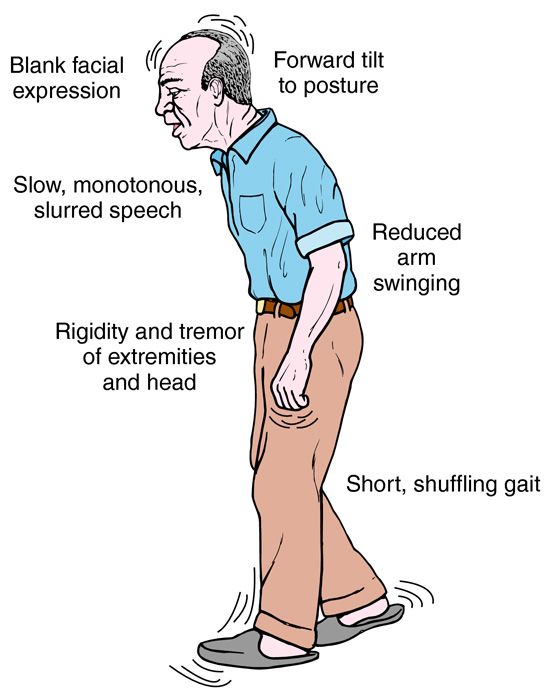
Parkinson’s disease is a movement illness that affects the nerve system. Symptoms appear sporadically and may begin with a barely detectable tremor in only one hand. Tremors are frequent, however, they are often accompanied by stiffness or slowed mobility. Your face may display very little expression in the early phases of Parkinson’s disease. While you move, your arms may not swing. It’s possible that your voice will become hushed or slurred. The symptoms of Parkinson’s disease grow as the disease advances.
Causes of Parkinson’s Disease
Parkinson’s disease has no identified origin. It could be caused by both hereditary and environmental factors. Viruses, according to some scientists, can also cause Parkinson’s disease. Parkinson’s disease has been linked to low levels of norepinephrine and dopamine, a chemical that controls dopamine. In the minds of Parkinson’s patients, aberrant proteins known as Lewy bodies have been discovered. Scientists are unsure what if any, function Lewy bodies have in the progression of Parkinson’s disease.
Risk factors for Parkinson’s Disease
- Sex – Males are 1.5 times as likely than females to get Parkinson’s disease.
- Race – White people have a higher frequency of Parkinson’s disease than Black or Asian people, as per research. One cause for an increased risk could be the location.
- Age – Parkinson’s disease commonly strikes between the ages of 50 and 60. It only happens in roughly 4percent of instances before the age of 40.
- History of the family – Individuals with Parkinson’s disease are more prone to develop the disease if they have close relatives who have it.
- Toxins – Certain pollutants have been linked to an increased risk of Parkinson’s disease.
- Injury to the head – People who have suffered a head injury may be more susceptible to Parkinson’s disease.
Symptoms
- Tremor – A tremor, or trembling, usually starts in one of your limbs, most commonly in your wrist or fingers. A pill-rolling tremor occurs when you rub your thumb and index finger back and forth. When your arm is at rest, it may shake.
- Sluggish movement (bradykinesia) – Parkinson’s disease slows your mobility over time, making routine tasks more complex and time taking. When you move, your steps sometimes become shorter. Getting out of a chair can be challenging. When you try to walk, your feet may stick.
- Stiff muscles – Muscle stiffness can strike at any time and in any portion of your body. Stiff muscles can be uncomfortable and restrict your strength and flexibility.
- Posture and balance issues – As a consequence of Parkinson’s disease, your posture may become slumped, and you may experience balance issues.
- Automatic movements are lost – It’s possible that you’ll have a harder time doing unconscious actions like blinking, smiling, or moving your arms as you move.
- Voice changes – You have the option of speaking softly, fast, slurring, or pausing before speaking. Instead of the regular inflections, your speech may be more monotonous.
- Writing changes – It may become difficult to write, and your handwriting may appear small as a result.
Parkinson’s Disease Treatment
Parkinson’s disease is treated with a mixture of:
- alterations in the way of life (lifestyle changes)
- medications
- therapies
It’s critical to get enough sleep, exercise, and eat a well-balanced diet. Communication and self-care can also be improved through speech and language therapy, occupational therapy, and physiotherapy.
Prevention
Because the origin of Parkinson’s disease is unclear, there are no established strategies to avoid the disease. According to certain studies, exercising regularly may lower the risk of Parkinson’s disease. Other studies have found that people who drink caffeine — which is present in coffee, tea, and cola — are less likely to get Parkinson’s disease than someone who doesn’t. Green tea has also been linked to a lower risk of Parkinson’s disease. Furthermore, it is still unknown if caffeine prevents Parkinson’s disease or is linked to it in some other way. There is currently no reliable evidence to show that drinking caffeinated beverages can mitigate Parkinson’s disease.
Bottom Line
Scientists are still baffled as to what causes Parkinson’s disease. It is a chronic illness that can be treated by dietary adjustments and medical care. If you are having symptoms of Parkinson’s disease or have been identified with the disease and are looking for Parkinson’s disease treatment or innovative ways to manage it, talk to me at the earliest.
Learn More about Parkinson’s Vs Alzheimer’s Disease
